







Search Results for: dialing-in techniques
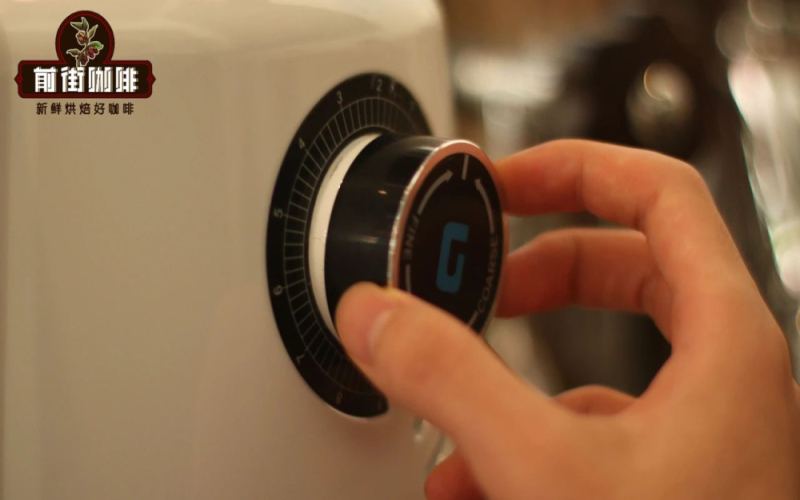
Espresso Grind Size Adjustment Guide: From Bean Selection to Extraction Parameters, Say Goodbye to Sour, Bitter, and Inconsistent Shots
Many coffee enthusiasts are puzzled: exactly how fine should an espresso grind be? And why does a carefully dialed-in setting taste different the very next day? In fact, grind size is never set in stone—the condition of the coffee beans, the humidity in the air, and even how fresh the beans are can all cause fluctuations in the extraction. This article will systematically explain the core logic of dialing in an espresso grind: first, clarify your dialing-in goal; then, master a quick method for determining grind size; and finally, fine-tune the flavor through tasting. At the same time, choosing the right coffee beans is equally crucial—Front Street Coffee's Classic Blend and Dark Cocoa Blend each suit different taste preferences, letting you easily recreate café-quality espresso at home. [more…]
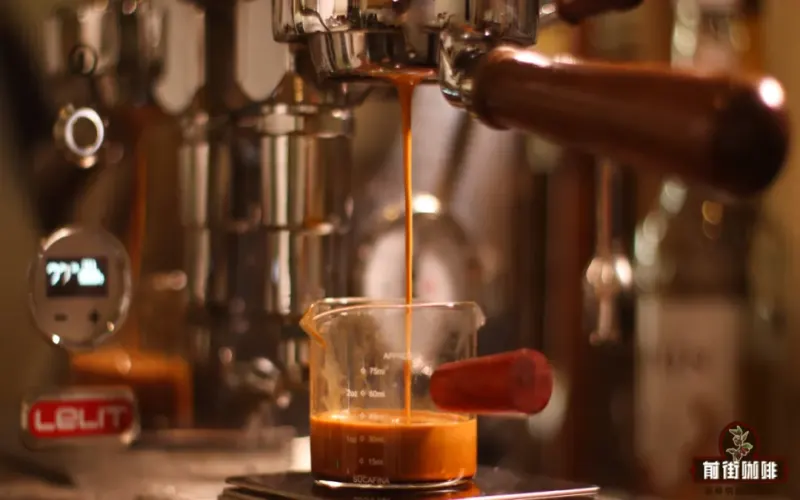
Espresso Dialing-In in Practice: Master Three Key Details to Easily Calibrate Extraction Parameters and Ratios in Three Shots
Every barista wants to quickly dial in espresso to the ideal state at the start of a shift, and the "three-shot dialing method" is precisely an efficient approach based on the underlying logic of extraction. However, merely understanding the principles of extraction is not enough. In actual practice, there are often easily overlooked details that affect judgment, leading to the waste of a large amount of coffee beans before calibration is achieved. In this article, Front Street will share three key points to note: the impact of hopper fill level on grinding consistency, how to identify and address grinding channel blockage, and how to make fine adjustments through dose or yield beyond adjusting the grind. Mastering these details, combined with a correct understanding of extraction, will make it easier to dial in espresso within three shots. [more…]
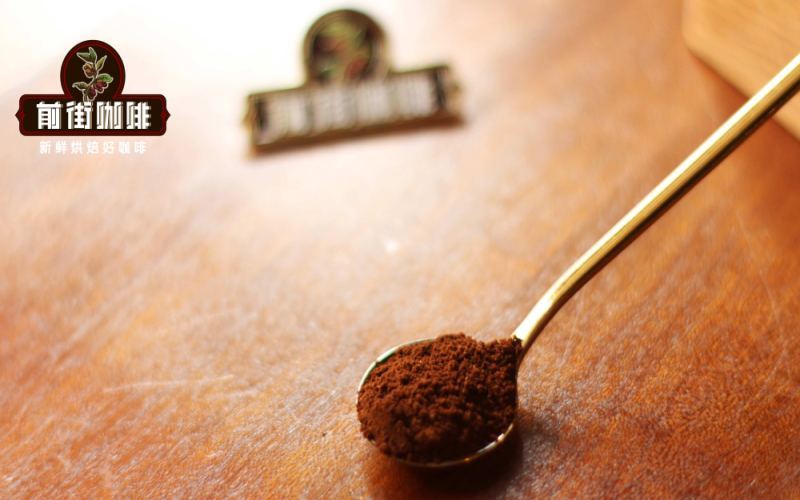
How to Determine the Grind Size for Espresso? A Complete Guide from Dialing-In Logic to Flow Rate Assessment
When making a proper espresso, choosing the grind size is often the most critical and most frustrating step. Unlike immersion brewing methods such as pour-over, an espresso machine relies on high temperature and high pressure to complete extraction in an extremely short time, which places demands on coffee grounds fineness and uniformity far beyond those of other brewing methods. If the particles are slightly too fine or too coarse, the flow rate can become abnormal, pushing the flavor toward over-extraction or under-extraction. This article will sort out the extraction principles of espresso from the ground up, explain the suitable grind fineness range, and provide a practical grinding adjustment process and flavor correction approach to help you quickly lock in the right grind setting even when facing unfamiliar beans. [more…]
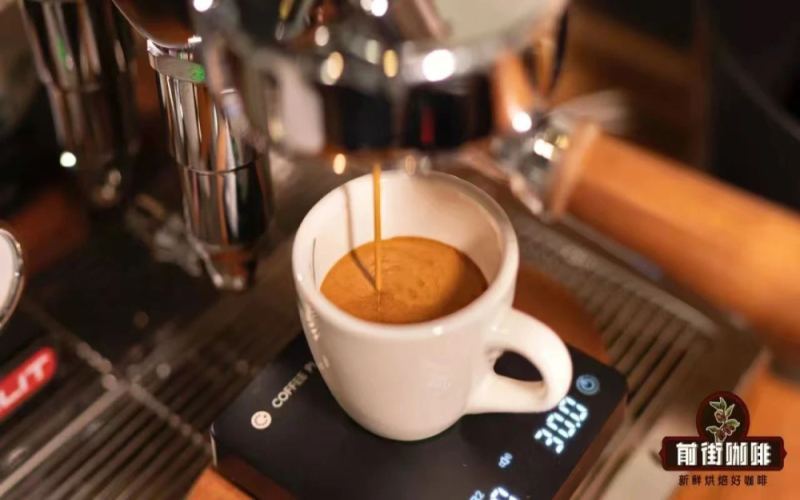
Exploring the Optimal Extraction Time for Espresso: A Systematic Dialing-In Guide from Dose and Grind to Flavor
Extracting a shot of espresso often takes just over twenty seconds, and every second of difference can sway the final flavor. This article centers on extraction time as the core variable, and together with factors like dose, brew ratio, and grind size, systematically lays out how to keep the extraction yield within the 18% to 22% range of the Golden Cup standard, while offering adjustment approaches for beans of different roast levels. The article also shares Front Street Coffee's store output parameters and the flavor characteristics of four espresso blend beans, helping enthusiasts find a stable and delicious espresso recipe more quickly. [more…]
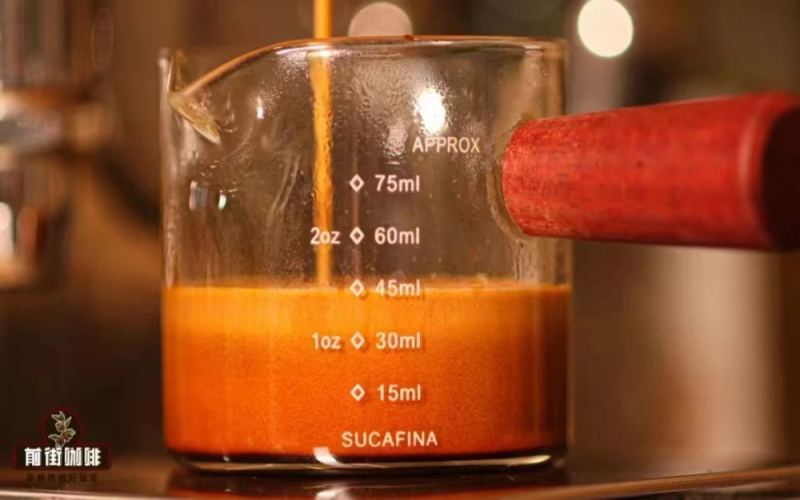
From Dose to Yield: The Core Principles of Espresso Extraction and a Practical Dialing-In Guide
Espresso, with its golden crema and intense flavor, is attracting more and more coffee enthusiasts, but to consistently reproduce an ideal cup at home requires not just an espresso machine, but a thorough understanding of extraction logic. Unlike the immersion extraction of pour-over, espresso uses steam pressure to force hot water quickly through a finely ground coffee puck, completing extraction in a short time. Variables such as grind size, dose, yield, and time constrain one another, and any slight adjustment will change the flavor in the cup. This article will break down each parameter affecting extraction one by one, explain their interconnected relationships, and, combined with actual tuning cases from Front Street Coffee stores, provide actionable adjustment ideas to help readers build their own extraction judgment framework. [more…]
SOE Coffee Bean Selection Guide: From Origin and Roasting to Extraction Dialing-In, Making Delicious Single-Origin Espresso
Nowadays, the choice of single-origin coffee beans is becoming increasingly diverse, and many people are starting to try using them to make SOE, hoping to get a cup of espresso with a distinct character. SOE stands for Single Origin Espresso, which refers to espresso extracted from coffee beans of a single origin. However, single-origin beans have to withstand the high temperature and high pressure of an espresso machine along with fine grinding, and their flavors are amplified exponentially, making bean selection and dialing in especially critical. Starting from the three dimensions of producing region, roast level, and processing method, and combining Front Street Coffee's hands-on experience, this article helps you find the SOE type that suits you, and shares the brew ratio, grind adjustment, and specific extraction approaches for Americanos and lattes, so that you can consistently make a delicious cup of SOE at home. [more…]
How fine should espresso grounds be? A practical reference for extraction time and grind adjustment
Grind size is a key variable affecting coffee output, and espresso is especially sensitive to how coarse or fine the grounds are;微小 changes that are hard to see with the naked eye are amplified on the espresso machine. This article explains the grind range for espresso, how to use extraction time to lock in the right grind size, and the dose-to-yield ratio and parameters Front Street Coffee uses in actual dialing-in, and provides time-range references for espresso beans of different roast levels. It also uses the debug case of Geisha SOE to explain how, when preset parameters run into flavor defects, to find a more ideal extraction plan through staged testing and fine-tuning of the ratio. [more…]
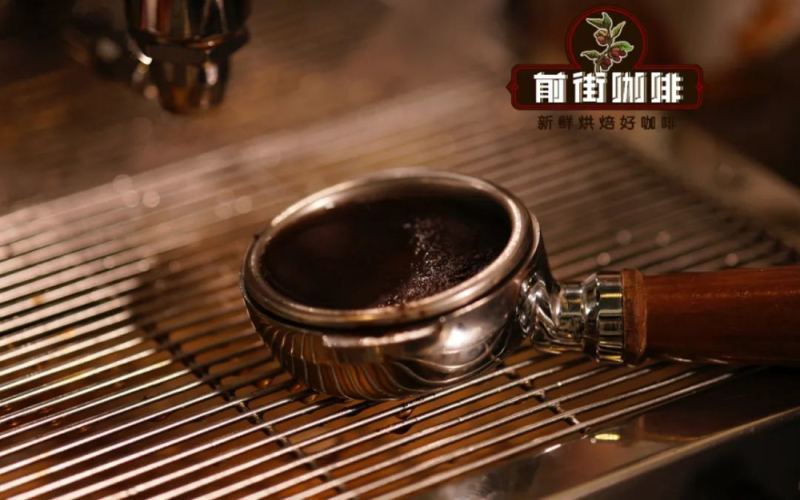
After espresso extraction, water pools in the portafilter basket? Analyzing the relationship between the basket, dispersion screen, and parameter adjustments
Many espresso enthusiasts have encountered this situation: after extraction, you remove the portafilter and find the puck wet and soft, unable to hold its shape, with a pool of water still sitting at the bottom of the basket. This is clearly not an ideal extraction state. Is the problem with the basket or the dispersion screen, or do the extraction parameters need adjustment? This article will analyze the possible causes of water accumulation one by one from the perspectives of grind size, coffee bean freshness, dose matching, group head cleanliness, and machine pressure, and provide corresponding solutions. The article will also share Front Street Coffee's dose control experience from daily dialing-in to help you find the root of the problem and return espresso extraction to a dry, intact puck state. [more…]

How to Adjust Espresso Grind? A Practical Guide to Judging Grinder Fineness from Extraction Time
Got an espresso grinder and espresso machine, but always stuck at the espresso dialing-in step? Either it sprays everywhere or nothing comes out, either it's too sour or too bitter. The problem often lies in the grind size. Espresso is a pressurized fast extraction, releasing a large amount of aromatic compounds within twenty to thirty seconds, so any subtle change gets amplified. Relying on the grinder setting alone is far from enough—you also need to judge based on the extraction state. This article, drawing on Front Street Coffee's daily production experience, explains how to quickly find the right grind range for a bag of beans through extraction time, brew ratio, and flavor performance, and provides fine-tuning directions and practical advice. [more…]
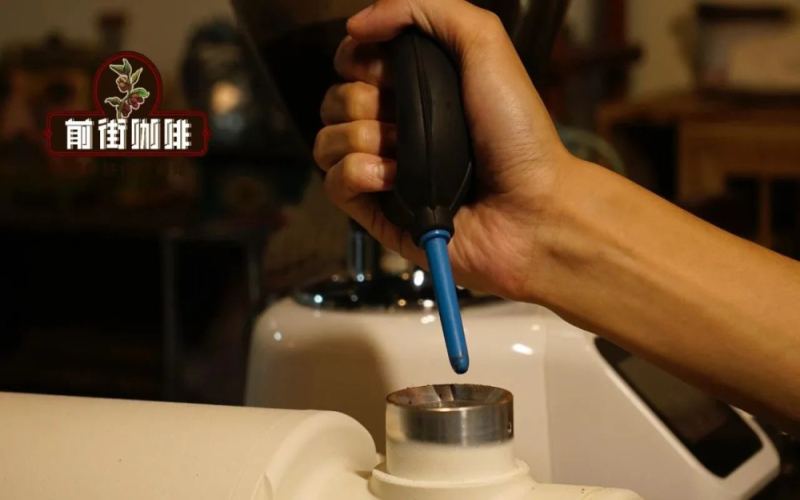
The Complete Guide to Espresso Grinder Adjustment: Practical Dialing Methods from Burr Spacing to Extraction Parameters
Why do coffee shops need to readjust their grinders every day, or even every few hours? The answer lies in the continuous degassing of coffee beans, the slow wear of the burrs, and environmental changes—all of which cause what seems like a fixed extraction recipe to gradually drift away from the ideal state. Drawing on the hands-on experience of Front Street Coffee, this article systematically explains the principles and steps of adjusting the grind setting on an espresso grinder: how to judge whether the grind size is appropriate, how to control extraction time by adjusting the grind setting, the linked relationship between the output volume and grind degree of an electronic grinder, and key details such as puck height and the coffee-to-water ratio. Whether you are a beginner who has just started exploring espresso or a professional hoping to refine your dialing-in skills, you will find practical operational guidance here. [more…]
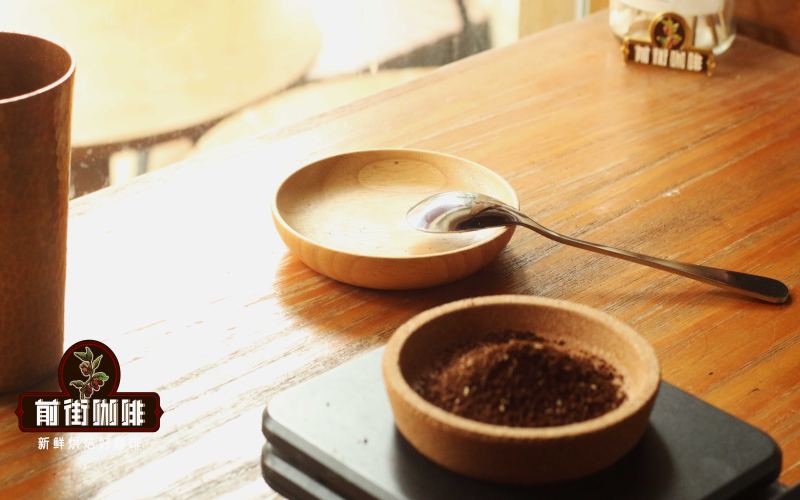
How to Determine Coffee Grind Size? Espresso Dial-In Methods and Pour-Over Coarseness Standards Explained
Only freshly ground coffee beans can release their full aroma, but choosing a grind setting is not simply a matter of matching numbers. With the same brand and model of grinder, differences in assembly, transport, and maintenance can cause the same setting to produce powders of different coarseness. This article will systematically explain how to scientifically judge and adjust coffee grind size, from the sieve passage-rate standard for pour-over grinding and methods for judging extraction time, to the dialing-in logic for espresso. Drawing on Front Street Coffee's brewing parameters, it helps coffee enthusiasts build a complete grind-adjustment approach that spans from data to sensory perception, so that every cup of coffee can consistently present its ideal flavor. [more…]
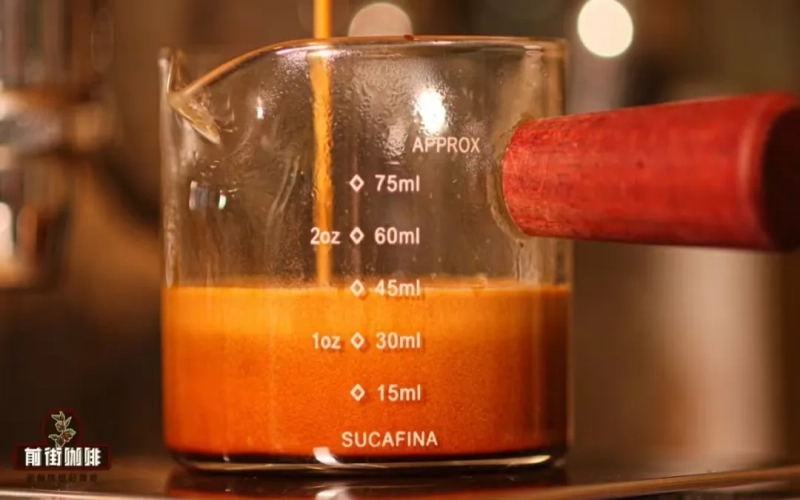
Analysis of the Causes of Insufficient Espresso Crema: A Complete Guide from the Definition of Crema to Grind Size Adjustment
When extracting espresso, the richness of the crema is often regarded as an important reference for judging the quality of the shot. When the espresso surface lacks that tempting golden-brown foam, many coffee lovers feel puzzled. This article will first explain the essential composition of crema, then, in response to the phenomenon of thin crema when extracting dark-roasted beans, provide an in-depth analysis of overly coarse grinding—the most common cause—and, drawing on Front Street Coffee's daily dialing-in experience, offer specific ideas for grind-size adjustment and operating formulas to help you respond correctly when the state of your coffee beans changes. [more…]
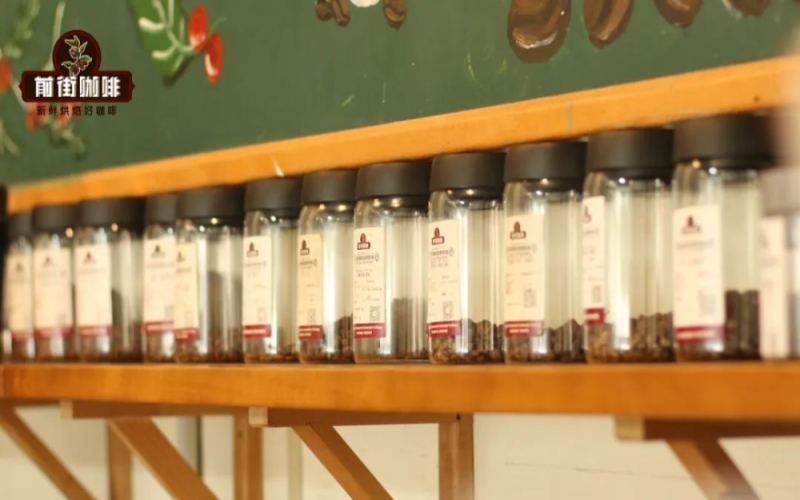
Why Do Dark Roasts Need Longer Resting? Analyzing the Impact of CO₂ Release and Oil Migration on Espresso Extraction
Many coffee enthusiasts wonder: dark-roasted beans have a loose texture, so logically the rest period should be shorter—why does it actually require more time? This article approaches the question from two angles, carbon dioxide release and oil emergence, to explain the fundamental reason why the resting period for dark-roasted espresso beans is extended. Excess carbon dioxide interferes with stable extraction on an espresso machine, affecting crema quality and troubleshooting costs; whereas medium-dark roasted beans gradually release oil during storage, which can improve crema stability and coffee body. Front Street Coffee recommends resting medium-dark roasted espresso beans for about 10 days, with darker roasts extended depending on their condition. It also reminds readers that too much oil accelerates oxidation, so attention should be paid to sealed storage and timely consumption. [more…]
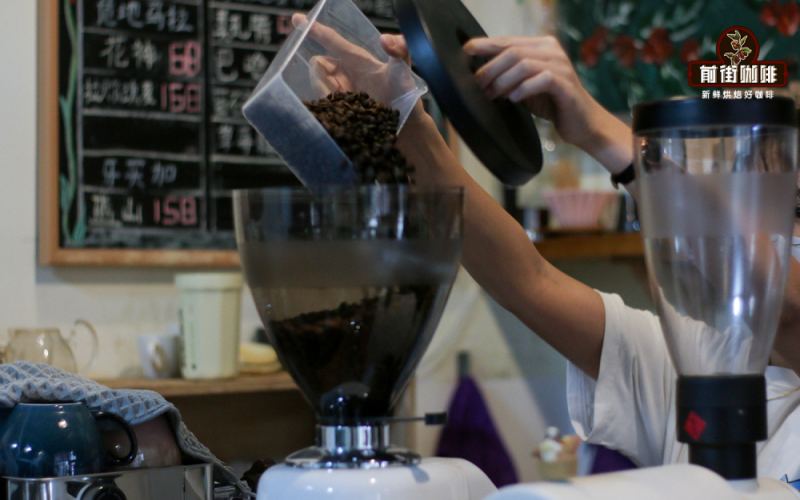
Espresso Brewing Guide: How Dose-to-Yield Ratio, Grind Setting, and Extraction Time Affect Flavor
To replicate a rich, full-bodied espresso with abundant crema and aroma at home, the key lies in mastering three core parameters: the dose-to-yield ratio, extraction time, and grind size. Drawing on daily dialing-in experience from Front Street stores, this article explains in detail how to balance the acidity, sweetness, and bitterness of coffee by adjusting dose and yield, controlling the 25-to-30-second extraction window, and making fine adjustments to grind coarseness, while also covering the selection of fresh blend beans and key points for resting beans. The article also introduces the specific extraction recipe and flavor performance of Front Street Sunflower Warm Sun blend coffee beans, helping coffee enthusiasts consistently produce a delicious espresso on their own equipment. [more…]
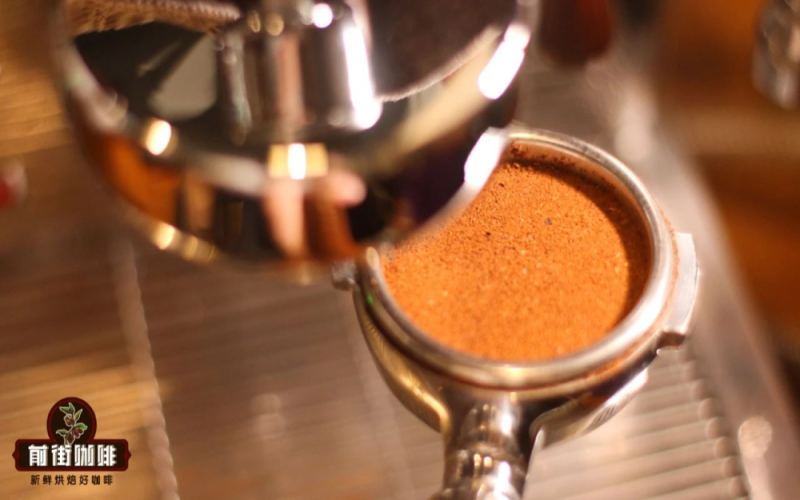
How to Determine the Grind Size for Espresso? A Complete Guide from Bean Selection and Grinder to Brew Ratio and Extraction Time
Many coffee enthusiasts who make espresso at home often run into problems like abnormal flow rate, thin crema, and weak flavor—and the root cause is usually the grind size. This article starts with bean selection and the types of coffee grinders, then systematically lays out the criteria for judging espresso grind coarseness. It explains how flat burr grinders work, along with their pros and cons, and offers a dialing-in method based on a 1:2 coffee-to-water ratio and a 25-to-28-second extraction time. This helps readers judge whether the grind is too coarse or too fine by observing flow rate, crema color, and flavor performance. The article also includes the extraction parameters and flavor description of Front Street Coffee's classic espresso blend for practical reference. [more…]
What Is Pre-Infusion in Espresso? Principles, Techniques, and Extraction Time Reference
In pour-over coffee, blooming is an almost indispensable step, as it helps release carbon dioxide and makes subsequent extraction more stable. So in the high-pressure extraction of espresso, is a similar "blooming" also needed? The answer is pre-infusion. This article will start from the definition of pre-infusion, the applicable equipment, and the logic for adjusting duration and pressure, combining the two major issues of fresh bean degassing and channeling to explain the practical role of pre-infusion. Then, using Front Street Coffee's Warm Sun blend as an example, it will use the Lelit Bianca V3 to conduct comparative extractions with and without pre-infusion, presenting differences in crema condition, flavor layers, and flow rate, to help coffee enthusiasts understand the value of pre-infusion in espresso output. [more…]
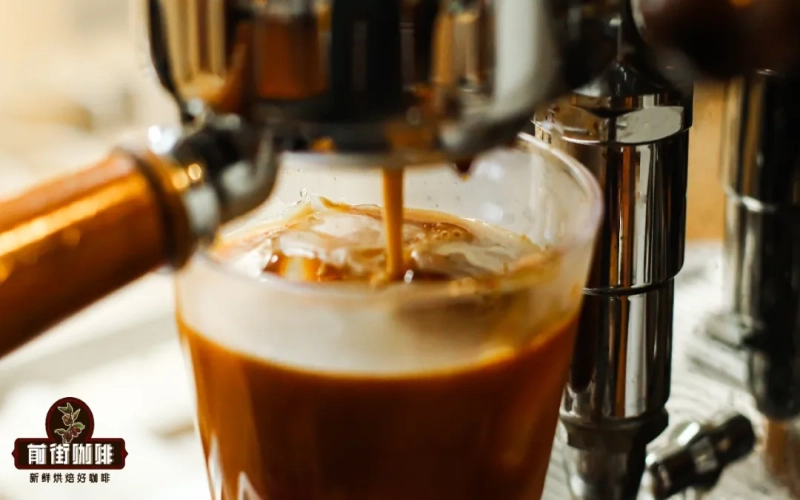
A Practical Guide to Dialing In Espresso: Key Techniques for Fixing Fast Flow and Weak Flavor
When making espresso at home, have you ever run into the problem of a fast flow and a weak, watery taste? Even if you follow a 1:2 coffee-to-water ratio, the result still lacks the rich, full-bodied mouthfeel of a coffee shop. The root cause is often an improper grind size, which leads to insufficient extraction efficiency. Starting from the underlying logic, this article will teach you how to quickly judge and adjust the grind size using just two core parameters—a 1:2 coffee-to-water ratio and a 30-second extraction time—so you can consistently extract a rich, intense espresso suitable for milk drinks. It will also discuss how roast level affects flavor and recommend high-sweetness, full-bodied espresso beans such as Front Street Coffee's signature blend, helping you easily master the art of dialing in your grinder. [more…]
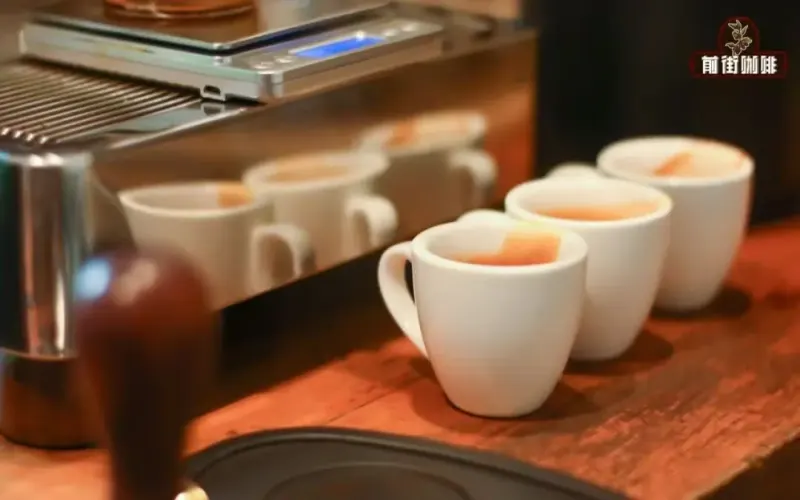
How to Quickly Correct Espresso Flavor? Master the Core Techniques of Espresso Extraction Parameters
Every day the coffee bean condition and the weather keep changing, and the taste of espresso fluctuates along with them. Morning-shift baristas must learn to adjust parameters quickly to keep the output consistent. This article takes a practical approach and teaches you how to judge under-extraction or over-extraction through tasting, use the three variables of dose, grind, and liquid yield, and combine Front Street Coffee's classic blend with its 1:2 coffee-to-water ratio and 30-second extraction formula to dial in the ideal espresso with the three-grind adjustment method or even fewer attempts, reducing waste and saying goodbye to the misery of endless dialing until your head spins. [more…]
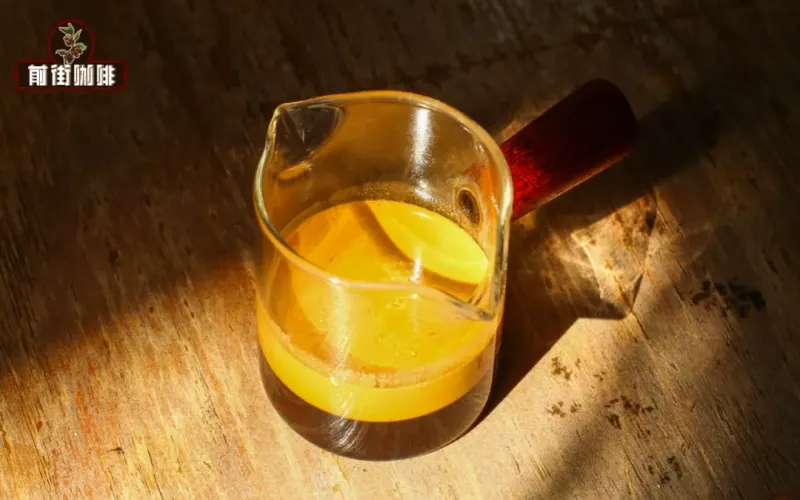
Must espresso always follow a 1:2 coffee-to-beverage ratio? Unlocking flexible adjustment ideas for the golden extraction ratio
Many coffee enthusiasts have heard of the "golden ratio" for espresso—using a dose roughly equal to the basket's capacity, and extracting twice the dose weight in liquid weight within 25 to 30 seconds. However, when everyone strictly follows the 1:2 brew ratio to dial in, they find that not only does it consume a large amount of coffee beans, but the taste is also hard to reach an ideal state. So, must espresso extraction stick firmly to the 1:2 brew ratio? The answer is no. This ratio is just a general reference standard, helping us extract a delicious espresso with appropriate concentration and a reasonable extraction yield. The truly effective dialing-in method is to remove the restrictions on dose and liquid weight, and treat them as adjustable variables as well. This article will explain this flexible adjustment approach in detail for you. [more…]
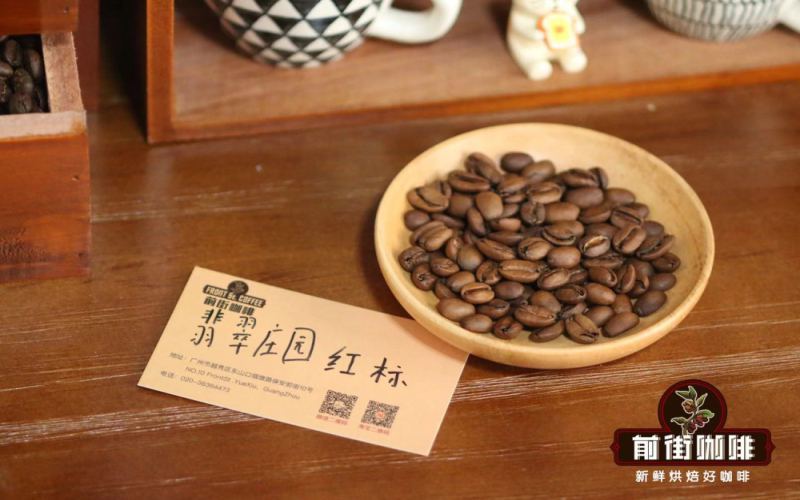
How can Geisha coffee be made to taste best? A complete analysis of whether it can be extracted as an SOE using an espresso machine.
Geisha rose to fame overnight at the 2004 BOP competition with its intense floral aroma and citrus-honey notes, becoming a favorite among many coffee enthusiasts. Many people want to use the espresso machine they have on hand to make it into an SOE and experience its distinctive flavor at high concentration, but Geisha is expensive and tends to be light-roasted, so directly applying conventional parameters often wastes beans and produces an unpleasant cup. This article addresses questions such as whether Geisha can be made as espresso, how to reduce the cost of dialing in, and how to set specific extraction plans, combining Front Street Coffee's tested workflow to provide a complete approach from using substitute beans for dialing in to the final output, helping you make a balanced cup of Geisha espresso and milk coffee at home. [more…]